In the realm of landscape design, trends come and go like the tides. However, certain elements endure, evolving to meet the needs and aesthetics of each era. As we approach 2025, the concept of the "Viking fence" is making a resurgence, not as a historical replica, but as a contemporary interpretation that seamlessly blends strength, artistry, and functionality. This article explores the rising popularity of Viking-inspired fences for modern fenced-in backyards, examining their design principles, material options, integration with current landscape trends, and practical considerations.
The Allure of the Viking Aesthetic: More Than Just History
The term "Viking fence" evokes images of rugged warriors, longships, and a connection to the raw power of nature. While it’s tempting to conjure up literal representations of historical Viking fences, which were primarily functional and defensive structures, the modern adaptation draws upon the underlying essence of the Viking spirit:
- Strength and Durability: Viking craftsmanship was renowned for its resilience. A contemporary Viking fence should embody this quality, offering robust security and longevity.
- Natural Materials: Vikings were deeply connected to their environment. Modern Viking fences often prioritize natural materials like wood and stone, harmonizing with the surrounding landscape.
- Artistic Expression: Viking art was intricate and symbolic. Today’s designs incorporate subtle nods to this artistry through carvings, patterns, or unique construction techniques.
- Sense of Place: A Viking fence can create a feeling of enclosure and protection, transforming a backyard into a private sanctuary.

Key Design Elements of the Contemporary Viking Fence

The contemporary Viking fence is not a slavish imitation of the past but rather a creative interpretation that merges historical inspiration with modern sensibilities. Here are some key design elements:
- Verticality and Height: While not necessarily towering, a Viking-inspired fence often features a strong vertical emphasis. Heights can vary depending on privacy needs, but a sense of imposing presence is generally desired.
- Post and Panel Construction: A classic approach involves sturdy posts made of wood or stone, with infill panels that can be customized with various materials and designs.
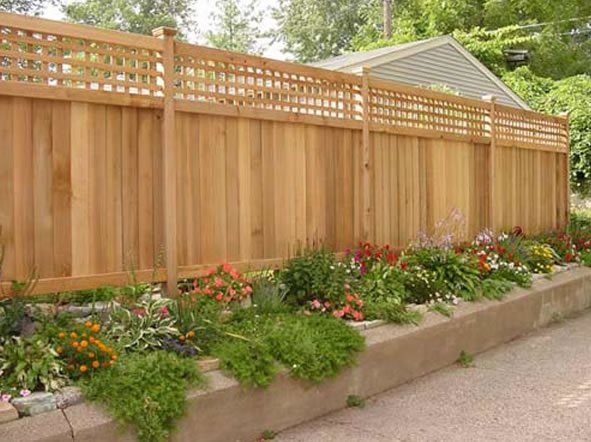
- Wood as the Primary Material: Wood is a natural choice, offering warmth, texture, and a connection to the environment. Options range from traditional cedar and redwood to more sustainable choices like reclaimed wood or thermally modified timber.
- Stone Accents: Incorporating stone elements, such as stone bases for posts or integrated stone panels, adds a grounding, timeless quality.
- Geometric Patterns: Subtle geometric patterns, inspired by Viking art, can be incorporated into the fence design. These might be carved into the wood, created with metal inlays, or formed by the arrangement of the fence panels.
- Natural Finishes: Opting for natural finishes, such as stains that enhance the wood’s grain or sealants that preserve the stone’s color, reinforces the connection to the environment.

Material Options for the 2025 Viking Fence

The choice of materials is crucial in achieving the desired aesthetic and functionality. Here are some popular options for a 2025 Viking fence:
- Cedar: A classic choice for its natural beauty, durability, and resistance to decay. Cedar weathers gracefully, developing a silvery-gray patina over time.
- Redwood: Known for its rich color and natural insect resistance. Redwood is a premium option that adds a touch of luxury.
- Thermally Modified Timber: A sustainable option that involves treating wood with heat to enhance its durability and resistance to moisture and decay.
- Reclaimed Wood: An environmentally friendly choice that adds character and history to the fence. Reclaimed wood can be sourced from old barns, factories, or other structures.
- Stone: Natural stone, such as granite, limestone, or slate, adds a grounding element to the fence. Stone can be used for posts, bases, or integrated panels.
- Metal Accents: Wrought iron or steel can be used for decorative elements, such as inlays, brackets, or gate hardware.
- Composite Materials: While not strictly "natural," composite materials can be used for certain components, such as posts or panels, to provide added durability and low maintenance.

Integrating the Viking Fence with Contemporary Landscape Trends (2025)
In 2025, landscape design is increasingly focused on sustainability, naturalism, and creating outdoor living spaces that seamlessly blend with the environment. Here’s how the Viking fence can be integrated with these trends:
- Native Plantings: Surround the fence with native plants to create a naturalistic landscape that attracts pollinators and supports local ecosystems.
- Permeable Paving: Use permeable paving materials, such as gravel or flagstone, to reduce runoff and allow rainwater to soak into the ground.
- Water Features: Incorporate a water feature, such as a small pond or fountain, to add a calming element to the backyard and attract wildlife.
- Outdoor Living Spaces: Create comfortable outdoor living spaces, such as patios, decks, or fire pits, within the fenced-in backyard.
- Vertical Gardens: Attach vertical gardens to the fence to add greenery and create a living wall.
- Minimalist Design: Embrace a minimalist approach to landscape design, focusing on simple lines, natural materials, and a sense of tranquility.
- Smart Technology: Integrate smart technology, such as automated lighting and irrigation systems, to enhance the functionality and sustainability of the backyard.
Practical Considerations for Designing and Building a Viking Fence
Before embarking on a Viking fence project, it’s essential to consider these practical factors:
- Budget: The cost of a Viking fence can vary depending on the materials, design complexity, and labor costs.
- Local Regulations: Check local building codes and zoning regulations to ensure that the fence complies with all requirements.
- Property Lines: Accurately identify property lines to avoid disputes with neighbors.
- Soil Conditions: Assess the soil conditions to determine the appropriate foundation for the fence posts.
- Maintenance: Consider the long-term maintenance requirements of the fence materials.
- Professional Installation: Unless you have extensive experience in carpentry and construction, it’s best to hire a professional fence installer.
- Gate Design: Carefully design the gate to complement the overall fence design and provide secure access to the backyard.
The Future of the Viking Fence
As we move towards 2025 and beyond, the Viking fence is poised to become an increasingly popular choice for contemporary landscapes. Its blend of strength, artistry, and natural materials resonates with homeowners who seek to create outdoor spaces that are both functional and aesthetically pleasing. As sustainable building practices become more prevalent, we can expect to see even more innovative uses of reclaimed wood, thermally modified timber, and other eco-friendly materials in Viking fence designs. Furthermore, the integration of smart technology will enhance the functionality and security of these fences, making them an integral part of the modern, connected home.
In conclusion, the contemporary Viking fence is more than just a boundary; it’s a statement. It’s a testament to the enduring appeal of natural materials, the beauty of craftsmanship, and the desire to create outdoor spaces that are both inviting and protective. By embracing the spirit of the Vikings – their strength, their artistry, and their connection to nature – we can design fences that not only enhance the beauty of our backyards but also enrich our lives.
Komentar
Posting Komentar