In the realm of refined living, the humidor holds a special place. More than just a storage container, it’s a testament to the appreciation of fine cigars, a symbol of leisurely indulgence, and an artful addition to a home’s décor. As we look towards 2025, the integration of humidors within traditional living room designs is poised to evolve, blending functionality with aesthetics in exciting new ways.
Understanding the Essence of a Humidor
At its core, a humidor is a storage container specifically designed to maintain a consistent level of humidity, typically around 70%. This controlled environment is essential for preserving the quality and flavor of cigars. Without proper humidification, cigars can dry out, becoming brittle, losing their essential oils, and ultimately delivering a harsh and unsatisfying smoking experience.
Key Components of a Humidor:
- Airtight Seal: The most crucial aspect of a humidor is its ability to create an airtight seal. This prevents moisture from escaping and keeps external humidity from fluctuating.
- Humidification System: Humidors employ various humidification methods, from traditional sponges soaked in distilled water to more advanced electronic systems that automatically regulate humidity levels.
- Hygrometer: A hygrometer is an instrument used to measure the humidity level inside the humidor. It’s essential for monitoring and maintaining the ideal environment.
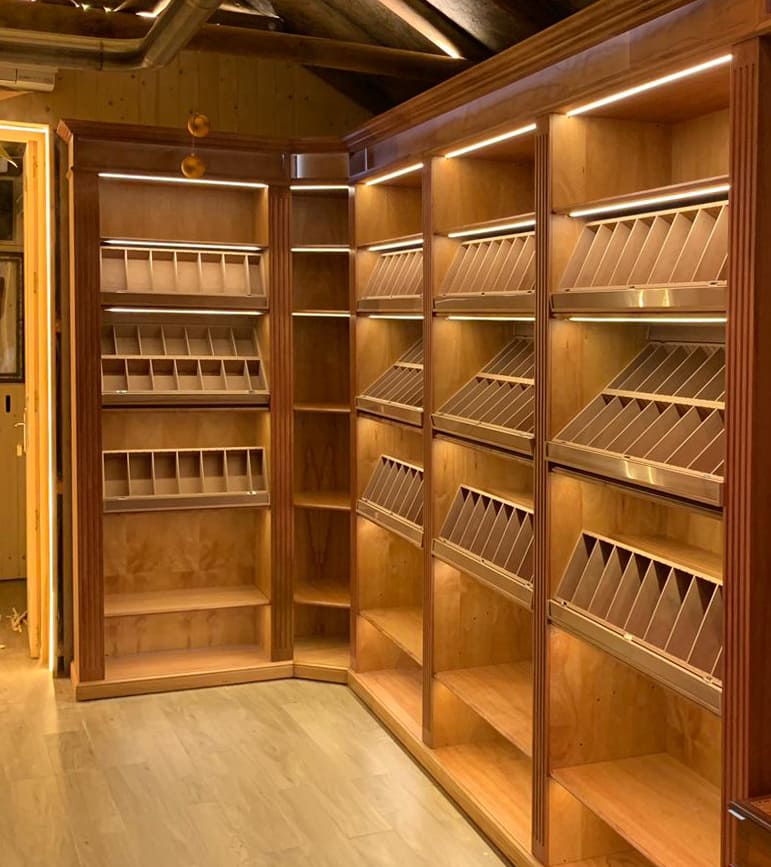
- Spanish Cedar Lining: Spanish cedar is the preferred wood for lining humidors. Its porous nature helps regulate humidity, and its aromatic oils contribute to the cigars’ aging process, enhancing their flavor profile.
VIEW PRODUCT ADD TO CART
Why Integrate a Humidor into a Traditional Living Room?
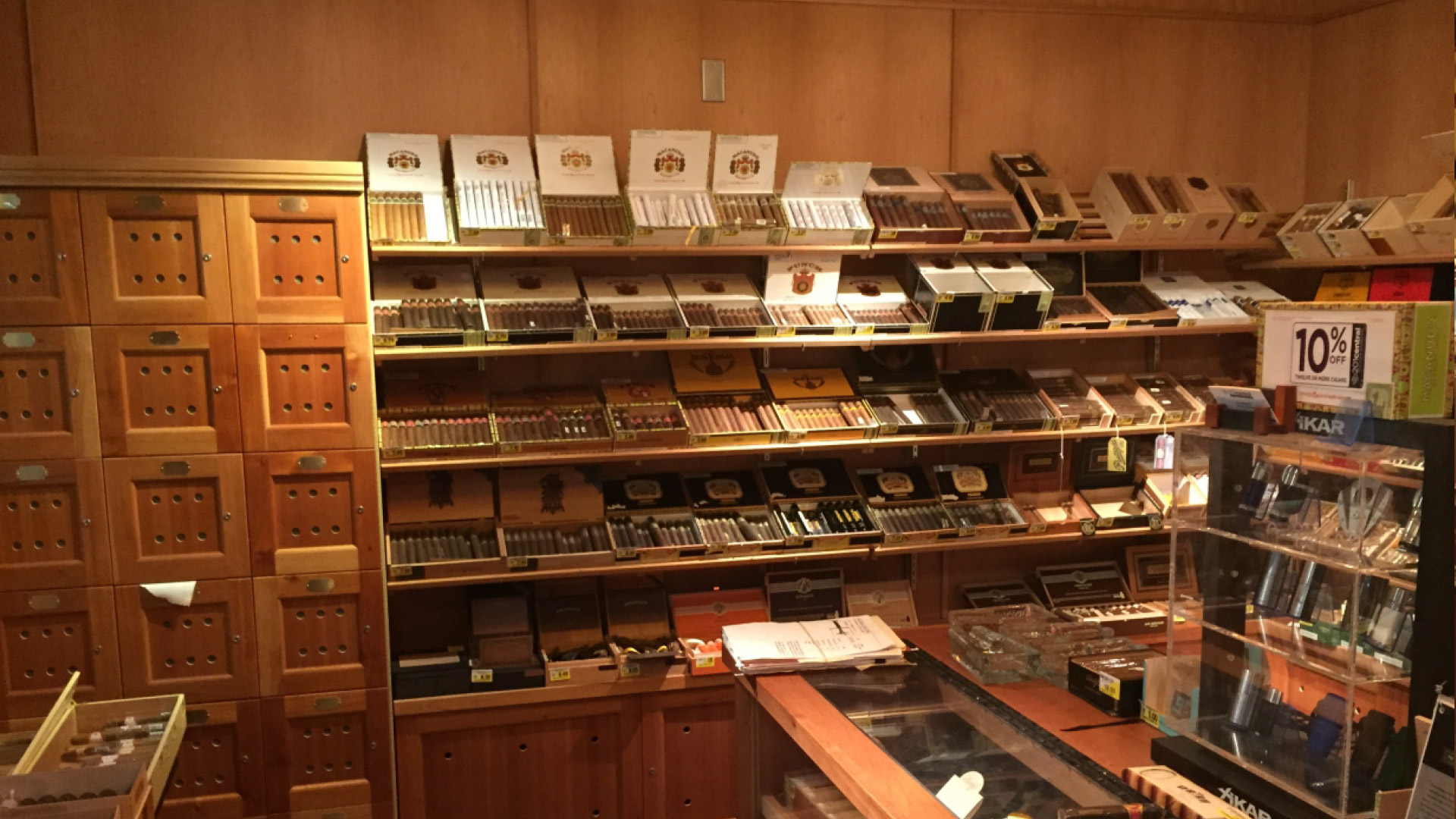
- Preservation of Cigars: The primary reason is to maintain the quality and flavor of cigars, ensuring they are always ready to be enjoyed.
- Aesthetic Appeal: Humidors, especially those crafted from fine woods and with elegant designs, can serve as a beautiful addition to a living room’s décor. They add a touch of sophistication and refinement.
- Conversation Starter: A well-placed humidor can spark interesting conversations, inviting guests to inquire about your appreciation for cigars and the stories behind them.
- Personal Statement: A humidor reflects a personal taste for the finer things in life and a commitment to preserving traditions.
- Convenience: Having a humidor in the living room ensures that your cigars are readily accessible whenever you wish to enjoy them.

The Traditional Living Room Aesthetic: A Timeless Embrace
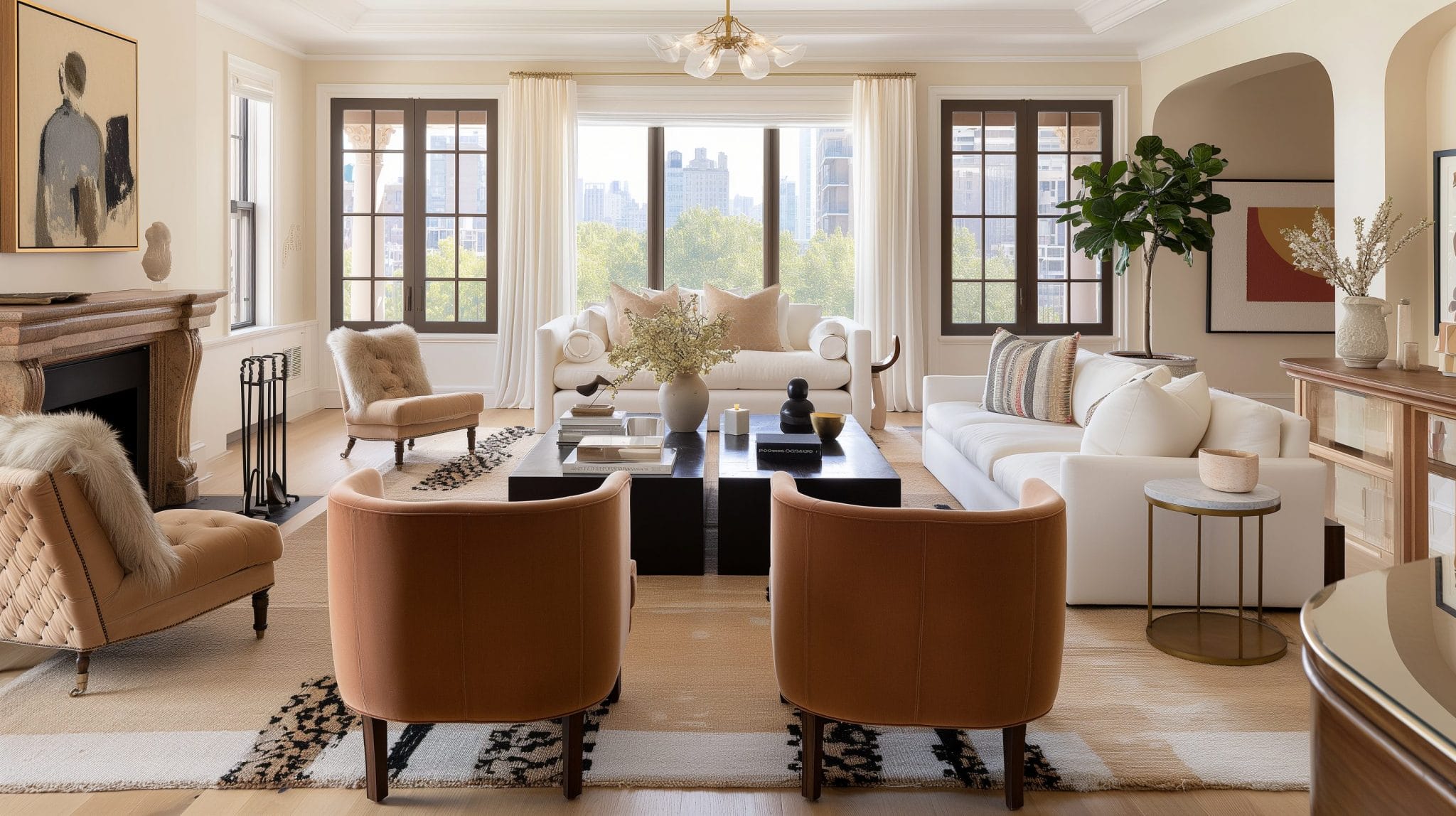
Before delving into the integration of humidors, it’s essential to define what constitutes a traditional living room. Traditional design is characterized by:
- Classic Elegance: A sense of timeless beauty and sophistication.
- Rich Colors: Deep, warm hues like burgundy, forest green, gold, and navy blue.
- Ornate Details: Intricate moldings, carvings, and decorative elements.
- Comfortable Furnishings: Plush sofas, armchairs, and upholstered pieces.
- Natural Materials: Wood, leather, and natural fabrics like silk and velvet.
- Symmetry and Balance: A sense of order and harmony in the arrangement of furniture and décor.

Humidor Integration: A Balancing Act of Form and Function
The key to successfully incorporating a humidor into a traditional living room lies in finding a balance between its functional purpose and its aesthetic integration. Here are several approaches:
The Statement Piece:
- Description: The humidor is designed to be a focal point of the room, commanding attention with its size, craftsmanship, and unique design.
- Materials: Exotic woods like mahogany, ebony, or walnut, often inlaid with intricate marquetry or adorned with brass hardware.
- Placement: Prominently displayed on a credenza, side table, or even as a freestanding piece.
- Aesthetic Impact: Adds a touch of grandeur and luxury to the room.
The Seamless Integration:
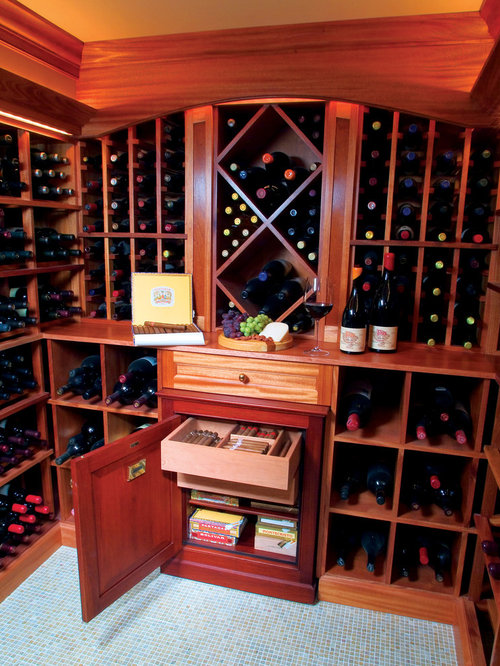
- Description: The humidor is discreetly incorporated into existing furniture, such as a built-in cabinet, a bookshelf, or a custom-designed bar.
- Materials: Matches the surrounding furniture in terms of wood type, finish, and style.
- Placement: Blends seamlessly into the room’s existing architecture, becoming an unobtrusive yet functional element.
- Aesthetic Impact: Maintains the room’s overall harmony and avoids disrupting the established design.
The Modern Twist:
- Description: A traditional humidor design is reinterpreted with contemporary materials and finishes, creating a subtle contrast within the traditional setting.
- Materials: Combines classic woods with modern materials like stainless steel, glass, or acrylic.
- Placement: Can be displayed on a modern stand or integrated into a contemporary-style cabinet.
- Aesthetic Impact: Adds a touch of unexpected flair while still respecting the room’s traditional foundation.
The Portable Option:
- Description: A smaller, more portable humidor that can be easily moved around the room or even taken on travels.
- Materials: High-quality leather, wood, or carbon fiber.
- Placement: Can be placed on a coffee table, a side table, or stored in a drawer when not in use.
- Aesthetic Impact: Offers flexibility and convenience without compromising on style.
Humidor Design Trends for 2025: A Glimpse into the Future
As we move towards 2025, several exciting trends are emerging in humidor design:
- Smart Humidors: Integration of smart technology for remote monitoring and control of humidity and temperature levels via smartphone apps.
- Sustainability: Use of eco-friendly materials, such as sustainably harvested woods and recycled components.
- Customization: Increased demand for bespoke humidors tailored to individual preferences, including personalized engravings, unique finishes, and custom storage configurations.
- Artisan Craftsmanship: A resurgence of interest in handcrafted humidors made by skilled artisans using traditional techniques.
- Hybrid Designs: Blending traditional aesthetics with modern functionality, such as humidors with built-in Bluetooth speakers or charging stations.
- Display-Focused Designs: Humidors designed to showcase cigars as works of art, with glass tops, integrated lighting, and tiered storage systems.
- Space-Saving Solutions: Compact and modular humidors that can be easily integrated into smaller living spaces.
Beyond Aesthetics: The Importance of Functionality
While aesthetics are important, the primary function of a humidor remains the preservation of cigars. When selecting a humidor, consider the following factors:
- Capacity: Choose a humidor that can accommodate your current and future cigar collection.
- Humidification System: Select a system that is reliable, easy to maintain, and capable of maintaining consistent humidity levels.
- Seal Quality: Ensure that the humidor has a tight seal to prevent moisture loss.
- Material Quality: Opt for high-quality materials that are durable and resistant to moisture damage.
- Hygrometer Accuracy: Invest in a reliable hygrometer to accurately monitor humidity levels.
Conclusion: A Timeless Addition with a Modern Twist
The humidor is more than just a storage container; it’s a symbol of refinement, a testament to tradition, and an artful addition to the traditional living room. As we look towards 2025, the integration of humidors is poised to evolve, blending classic aesthetics with modern functionality in exciting new ways. Whether you opt for a statement piece, a seamless integration, or a modern twist, a well-chosen humidor can enhance the beauty, sophistication, and enjoyment of your living space.
By carefully considering your personal style, the room’s existing décor, and the latest design trends, you can create a harmonious and functional space that celebrates the art of cigar appreciation.
Komentar
Posting Komentar